
Overview of Arkansas Rental Assistance and Grant Programs
Arkansas landlords facing financial strain have more options than many realize. Between federal initiatives, state programs, and local resources, property owners struggling with unpaid rent, property maintenance costs, or rehabilitation expenses have options for relief. The key is knowing where to look and understanding eligibility requirements before applying.
The pandemic-era rental assistance programs demonstrated the state’s capacity to distribute funds effectively. While some emergency programs have concluded, Arkansas continues to offer grants for landlords and property relief options through various channels. Property owners who understand these programs can recover lost income, reduce operating costs, and maintain their investments without selling at a loss.
The Arkansas Fresh Start Program
The initiative had provided direct rental assistance payments to landlords on behalf of qualifying tenants. The program covered back rent and, in some cases, forward-looking payments for households meeting income thresholds. Landlords received payments directly, reducing the risk of non-payment while keeping tenants housed.
Landlords in search of similar financial assistance should now reach out to their local Community Action Agencies or the Arkansas Department of Human Services for information on current or newly available aid options.
Community Action Agencies and Local Funding
Arkansas operates a network of Community Action Agencies across all 75 counties. These organizations administer federal Community Services Block Grant funds and often have discretionary dollars for rental assistance. Central Arkansas Development Council and the Economic Opportunity Agency of Washington County maintain separate funding streams that landlords can access.
Contact your county’s agency directly to inquire about current availability. Funding levels fluctuate throughout the fiscal year, with more resources typically available in the first and fourth quarters.
Eligibility Requirements for Landlord Participation
Most programs require landlords to document property ownership, provide current lease agreements, and demonstrate tenant income eligibility. Properties must meet basic habitability standards, and landlords cannot have pending code violations. Some programs exclude properties with more than four units, directing larger operations toward different funding sources.

Energy Efficiency and Rehabilitation Grants
Property improvements are significant expenses for landlords, but several programs offer grants and incentives specifically for rental properties.
Weatherization Assistance Program (WAP) for Multi-Family Units
The Arkansas Department of Energy and Environment administers WAP funds for qualifying rental properties. This program covers insulation, HVAC upgrades, window replacement, and air sealing at no cost to property owners. Multi-family buildings with units occupied by income-eligible tenants qualify, with the program covering improvements to the entire structure.
Increased funding and inflation adjustments have led to a rise in the average per-unit investment, which now typically ranges from $8,500 to $10,000. Property owners must agree to maintain affordable rent levels for a specified period following improvements. Applications go through local Community Action Agencies.
USDA Rural Rental Housing Loans and Grants
Properties located outside metropolitan areas may qualify for USDA Section 515 and Section 538 programs. These provide low-interest loans and grants for the construction, improvement, or rehabilitation of rural rental housing. The Section 504 grant program provides financial assistance of up to $10,000 for essential home repairs; it is strictly limited to very low-income owner-occupied rural homes.
Important: Landlords who rent properties are not eligible for Section 504 grants. To qualify, the property must be in an eligible rural area of Arkansas, which generally excludes the urban cores of Little Rock, Fayetteville, and Fort Smith. Eligibility regarding property location can be verified by contacting the USDA Rural Development office in Little Rock, which manages the application process.
Entergy Arkansas Incentives for Rental Properties
Entergy offers rebates for landlords installing energy-efficient equipment in rental units. Qualifying improvements include HVAC systems, water heaters, insulation, and lighting. Rebates range from $50 for water heater upgrades to several hundred dollars for complete HVAC replacements.
These incentives stack with federal tax credits, potentially covering up to 30% of the cost of improvements. Application occurs after installation, with rebate checks typically arriving within six weeks.
Tax Relief and Financial Incentives for Property Owners
Beyond direct grants, Arkansas offers tax mechanisms that reduce landlord expenses and improve investment returns.
Arkansas Property Tax Exemptions and Reductions
Rental property in the state is taxed based on the county assessor’s determination of market value. The assessment system taxes the property at 20% of the assessed value, which is itself 20% of the market value. Property owners 65 and older may qualify for the homestead tax credit on owner-occupied portions of multi-family buildings. Assessment appeals provide another avenue for reducing tax burden when property values decline.
File appeals within 30 days of receiving assessment notices. The county assessor’s office provides comparable sales data to support reduction requests.
Opportunity Zones and Low-Income Housing Tax Credits (LIHTC)
Arkansas designated 85 census tracts as Opportunity Zones, offering capital gains deferral and reduction for investments in these areas. Landlords who purchase or substantially improve rental property in designated zones can significantly reduce federal tax liability.
LIHTC allocations through the Arkansas Development Finance Authority provide dollar-for-dollar tax credits for the development of affordable rental housing. Competition for these credits is intense. For successful applicants, the credits are significant, amounting to approximately 70% of qualified development costs for the 9% credit and about 30% for the 4% credit over a 10-year period.
Historic Preservation Tax Credits for Property Restoration
Properties listed on the National Register of Historic Places qualify for state and federal rehabilitation tax credits. Arkansas offers a 25% state credit that combines with the 20% federal credit, covering nearly half of qualified restoration expenses. Many older rental buildings in Little Rock, Hot Springs, and Fort Smith qualify.
Legal and Regulatory Relief Options
Understanding Arkansas law helps landlords protect their interests while avoiding costly disputes.
Understanding the Arkansas Landlord-Tenant Act
Arkansas residential rental agreements are regulated by Title 18, Chapter 17, of the Arkansas Code. While the law historically did not include an implied warranty of habitability, Arkansas landlords are now required by Arkansas Code § 18-17-502 (since 2021) to maintain properties in safe, habitable conditions, establishing minimum habitability standards. Landlords can include provisions requiring tenants to maintain properties, but cannot waive statutory habitability obligations.
Security deposit rules require return within 60 days of lease termination, with itemized deductions for damages. Eviction procedures allow for a relatively quick resolution, typically 7 to 30 days from filing to possession, depending on thecase type and court backlog.
Mediation Services for Rent Disputes
The Arkansas Access to Justice Commission coordinates free mediation services for landlord-tenant disputes. Mediation often resolves payment issues faster than eviction proceedings and preserves tenant relationships. The Center for Dispute Resolution at UALR provides trained mediators throughout central Arkansas.
How to Apply and Maximize Financial Recovery
Successful applications require preparation and attention to detail.
Documentation Needed for Grant Applications
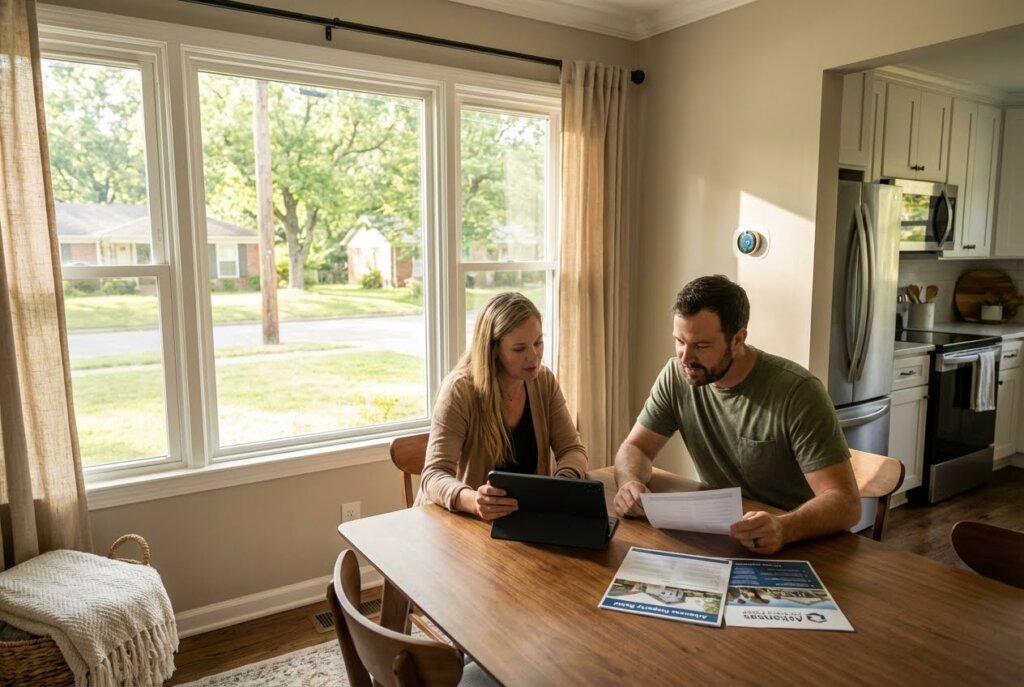
Gather property deeds, current tax assessments, lease agreements, and tenant income verification before applying. Most programs require proof of ownership for at least 12 months. Bank statements showing rental income and expenses strengthen applications for rehabilitation grants.
Keep digital copies organized by program. Many applications now operate entirely online and require PDF document uploads.
Navigating State and Federal Portals
Rental assistance applications are no longer processed by the Arkansas Department of Human Services portal. Instead, they are handled either by local Community Action Agencies or through the Arkansas Housing Stability Program (when available). Create accounts on SAM.gov for federal grants and the Arkansas Development Finance Authority site for tax credit programs. Application windows vary, so subscribe to email notifications from each agency.
Frequently Asked Questions
Can landlords apply for rental assistance on behalf of tenants?
Yes, most Arkansas programs allow landlord-initiated applications with tenant consent. This speeds processing and ensures payments reach property owners directly.
Do grants for landlords require repayment?
True grants do not require repayment. Some programs labeled as assistance are actually forgivable loans with compliance periods. Read program terms carefully before accepting funds.
What happens if my property fails inspection during the application process?
Most programs allow a cure period to address deficiencies. Minor issues rarely disqualify applications, but serious habitability concerns may require resolution before approval.
Are investment properties eligible for residential assistance programs?
Eligibility depends on property type and tenant income, not owner status. Investment properties with income-qualifying tenants generally qualify for the same programs as owner-occupied rentals.
How long do grant applications typically take to process?
Processing ranges from 30 days for simple rental assistance to six months for rehabilitation grants requiring inspections and contractor bids.
Moving Forward with Property Relief
Arkansas landlords have genuine options for financial recovery and property improvement. The combination of rental assistance, energy-efficiency programs, and tax incentives can significantly reduce operating costs and help recover lost income.
For landlords finding that property management has become more burden than a benefit, Arkansas Property Buyers offers an alternative path. Whether you’re dealing with troublesome tenants, facing foreclosure, or simply want to exit the rental business, they provide fair cash offers within 24 hours with no repairs, commissions, or fees required. Learn more about how their straightforward process can help you move forward without the stress of managing an unwanted property.