Understanding Foundation Issues in Arkansas Landscapes
Foundation problems strike fear into Arkansas homeowners for good reason. Repair costs regularly climb into the tens of thousands of dollars, and ignoring the issue only compounds expenses over time. The state’s unique geological conditions create persistent challenges that affect properties from Little Rock to the Ozark foothills. For homeowners weighing their options between pursuing grants for foundation repair in Arkansas and selling as-is, understanding the root causes helps inform the best path forward.
Arkansas sits atop some of the most problematic soil conditions in the country. Seasonal moisture fluctuations cause dramatic ground movement, and older homes built before modern foundation standards are particularly vulnerable. The good news: several assistance programs exist for qualifying homeowners, and selling a property with known foundation issues remains a viable alternative when repairs prove impractical.
The Impact of Expansive Clay Soils
Central and southern Arkansas contain high concentrations of expansive clay that swells dramatically when wet and contracts during dry periods. This constant movement exerts tremendous pressure on foundations, causing cracks, settling, and structural shifting. Properties in Little Rock, Benton, and surrounding communities experience these effects most acutely.
The cycle repeats annually. Spring rains saturate the soil, pushing against foundation walls. Summer droughts pull moisture away, causing the ground to shrink and foundations to settle unevenly. This perpetual stress eventually overwhelms even well-constructed foundations.
Common Signs of Foundation Failure
Recognizing early warning signs prevents minor issues from becoming major structural failures. Interior indicators include doors and windows that stick or won’t close properly, cracks appearing above doorframes, and uneven floors that slope noticeably.
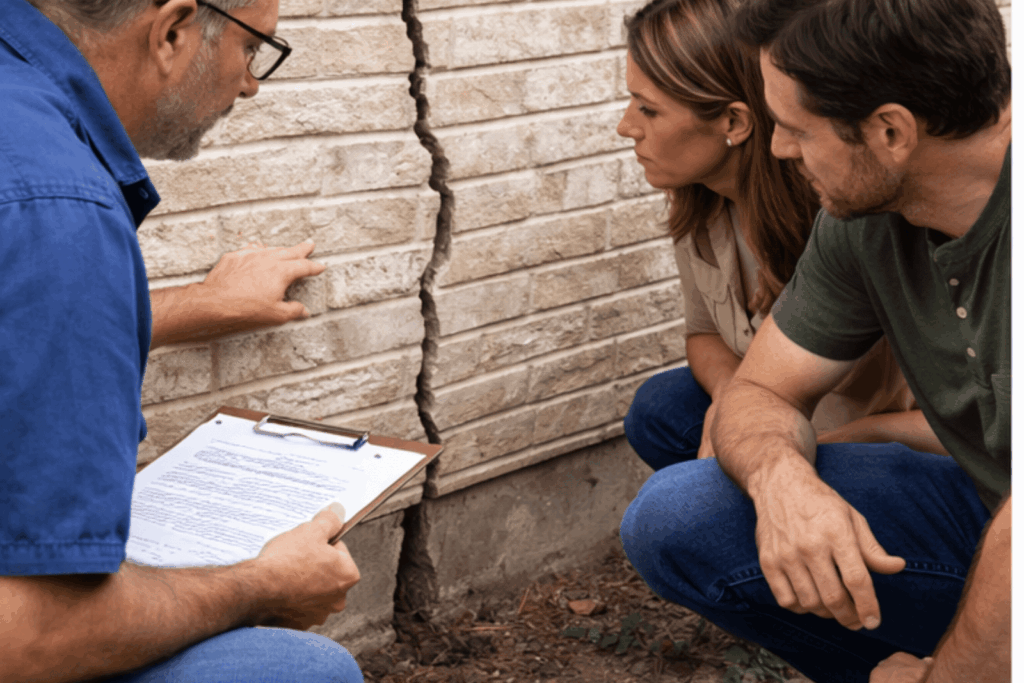
Exterior symptoms often prove more dramatic: stair-step cracks in brick veneer, gaps between the foundation and siding, and visible separation where walls meet the foundation. Water intrusion in basements or crawl spaces signals compromised waterproofing, typically caused by foundation movement creating new entry points.
Government and Non-Profit Grant Opportunities
Several federal and state programs offer financial assistance for essential home repairs, including foundation work. Eligibility typically depends on income level, property location, and the nature of repairs needed.
USDA Rural Development Housing Repair Grants
The USDA Section 504 Home Repair program provides grants up to $10,000 (and, as of 2024, combined assistance up to $50,000 when grants and loans are used together) for very-low-income homeowners aged 62 and older. Properties must be located in eligible rural areas, which include many Arkansas communities outside major metropolitan centers.
These grants cover repairs necessary to remove health and safety hazards, and foundation issues often qualify when they threaten structural integrity. Loans up to $40,000 at 1% interest (with repayment terms up to 20 years) are available for homeowners who don’t meet grant criteria but still qualify for assistance. Application processing typically takes several months, so early submission is advisable.
Arkansas Community Development Block Grants (CDBG)
Arkansas distributes federal CDBG funds through local governments and regional planning districts. These programs target low- to moderate-income households and can fund substantial home repairs, including foundation stabilization.
Availability varies by municipality and funding cycles. Contact your local city hall or county development office to determine the current program status. Some areas maintain waiting lists, while others accept applications during specific enrollment periods. Income verification and property inspection requirements apply.
Weatherization Assistance Programs and Structural Integrity
While primarily focused on energy efficiency, Arkansas weatherization programs occasionally address structural issues that affect home performance. Foundation cracks that allow air infiltration may qualify for repair under these programs.
The Arkansas Department of Energy and Environment’s Office of Energy administers weatherization assistance through community action agencies statewide. Income limits apply, typically set at 200% of federal poverty guidelines. Priority goes to households with elderly members, persons with disabilities, or families with children.
Alternative Financing for Arkansas Homeowners
When grant programs don’t fit your situation, several financing options can make foundation repairs more manageable.
FHA 203(k) Rehabilitation Loans
FHA 203(k) loans combine purchase or refinance amounts with repair costs into a single mortgage. This option works well for homeowners with equity who need substantial foundation work but lack cash reserves.
Standard 203(k) loans cover major structural repairs with no maximum repair limit beyond the FHA loan ceiling. Limited 203(k) loans cap repairs at $35,000 (this cap remains unchanged) but involve less paperwork and faster processing. Both require working with FHA-approved lenders and contractors, which adds oversight but ensures quality work.
Local Municipal Assistance Programs
Several Arkansas municipalities operate their own housing rehabilitation programs. Little Rock, North Little Rock, and Conway have historically offered assistance for qualifying homeowners, though funding levels fluctuate annually.
These programs often feature more flexible terms than federal options and faster application processing. Check with your city’s community development department for current offerings. Some programs operate as forgivable loans, converting to grants if you remain in the home for a specified period.
Selling Your Arkansas Property As-Is
Not every foundation problem warrants repair. When costs exceed practical limits or circumstances demand a quick resolution, selling as-is presents a legitimate alternative.
Pros and Cons of Selling Without Repairs
Selling as-is eliminates repair expenses, contractor coordination, and project timelines that can stretch for months. You receive cash and move forward without the stress of managing construction. This approach particularly suits inherited properties, homes facing foreclosure, or situations requiring immediate relocation.
The tradeoff involves accepting a lower sale price. Buyers factor repair costs into their offers, typically discounting more than actual repair expenses to account for risk and inconvenience. Traditional buyers using conventional financing often can’t purchase properties with significant foundation issues, limiting your buyer pool.
Legal Disclosure Requirements in Arkansas
Arkansas law does not currently mandate a statewide seller property disclosure form, but sellers must still disclose known material defects, including foundation problems, under general fraud and misrepresentation laws. Most real estate transactions in Arkansas use a voluntary disclosure form recommended by the Arkansas Realtors Association, which specifically asks about structural issues, settling, and water intrusion. Honest disclosure protects you from future legal liability.
Failing to disclose known foundation issues exposes you to lawsuits even after closing. Courts have consistently ruled against sellers who concealed defects. Complete transparency, while potentially affecting your sale price, eliminates post-sale legal exposure.
Targeting Cash Buyers and Real Estate Investors
Cash buyers and investors specialize in purchasing properties with issues that complicate traditional sales. These buyers understand foundation problems, have relationships with contractors, and can close quickly without financing contingencies.
Arkansas Property Buyers purchases homes throughout central Arkansas regardless of condition. Working with established local buyers ensures fair treatment and professional handling of the transaction. The process typically moves from initial contact to closing within weeks rather than months.

Frequently Asked Questions
What income limits apply for Arkansas foundation repair grants?
USDA Section 504 grants require very-low-income status, typically below 50% of the area median income. CDBG programs generally serve households at or below 80% of the median income. Specific limits vary by county and household size, with current figures available from administering agencies.
How long does the grant application process take?
Federal programs like USDA typically require 30–90 days for processing, though backlogs can extend timelines. Local CDBG programs vary widely, from several weeks to six months, depending on funding availability and application volume.
Can I sell my house if it has active foundation problems?
Yes, Arkansas allows selling properties with foundation issues as long as you disclose known defects. Cash buyers and investors regularly purchase such properties. Traditional buyers using mortgages may face lender restrictions that prevent purchase.
Do foundation issues always require expensive repairs?
Not necessarily. Minor cracks from normal settling may need only cosmetic attention. Drainage improvements sometimes resolve moisture-related foundation movement at relatively low cost. Professional assessment determines whether issues require structural intervention.
What happens if I can’t afford repairs and don’t qualify for assistance?
Selling as-is to a cash buyer provides an exit strategy when repairs aren’t feasible. Arkansas Property Buyers specializes in purchasing homes regardless of condition, handling all repairs after closing, and allowing you to move forward without financial burden.
Maximizing Value When Foundation Issues Exist
Whether pursuing repairs or selling as-is, several strategies help protect your financial interests. Obtain multiple repair estimates to understand true costs and identify the most economical solutions. Some foundation issues require extensive pier systems, while others respond to simpler drainage corrections.
For those selling, getting a professional inspection before listing provides documentation that supports your asking price. Buyers appreciate transparency, and detailed information about the scope of issues builds trust. Consider obtaining repair quotes to share with potential buyers, demonstrating the actual investment required.
If foundation repairs exceed your budget and grant programs don’t apply, selling to a cash buyer offers the fastest resolution. Arkansas Property Buyers provides fair cash offers within 24 hours for properties in any condition throughout Little Rock and the surrounding communities.